I once sent an email to a stranger — a kind message, really — complimenting his craft and asking for advice on a similar project.
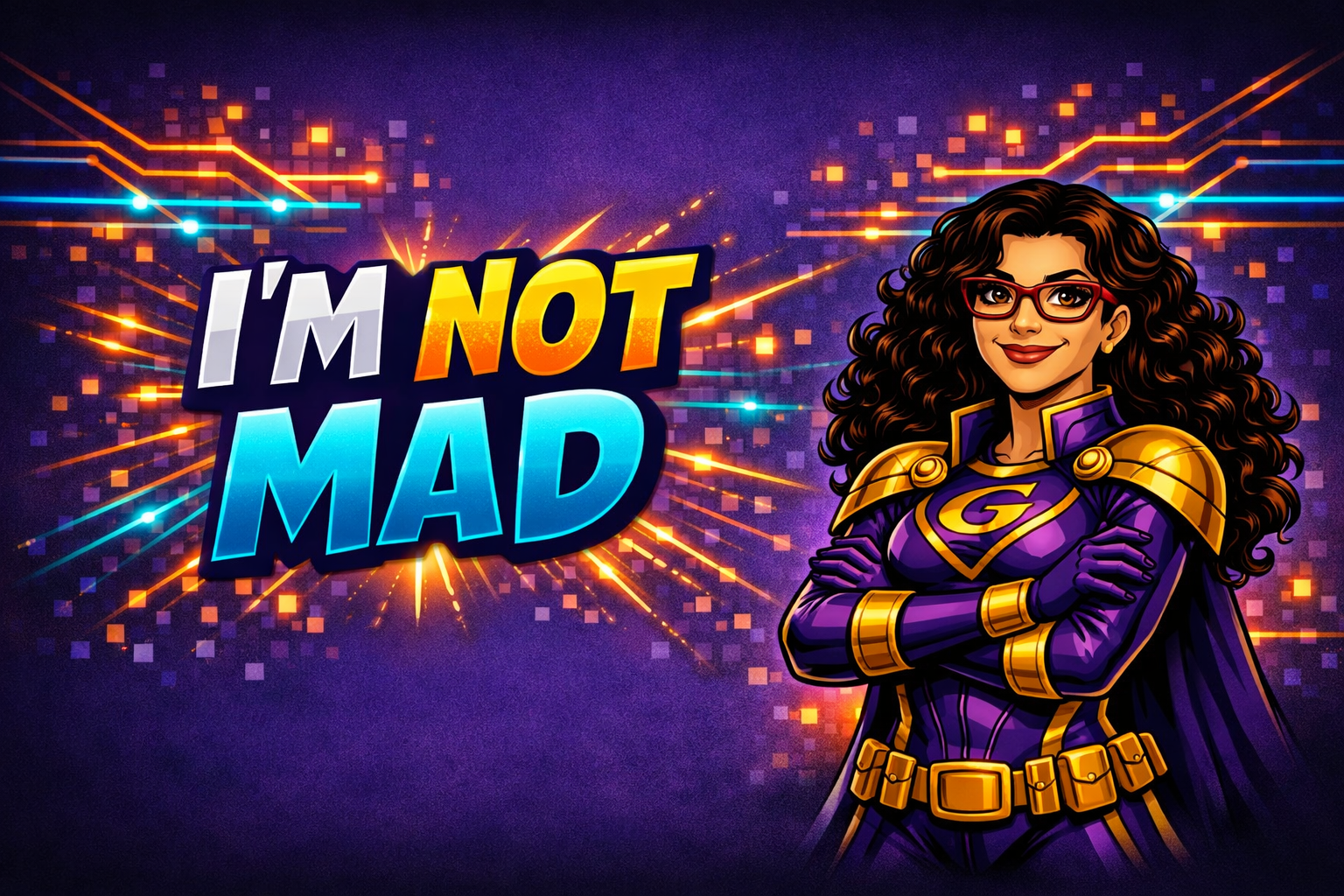
The response came back in ALL CAPITAL LETTERS.
I panicked.
As a tech‑hero, I try to encourage others who use their skills to make the world better. Most people respond graciously. But written communication is tricky, and intentions can get lost faster than a missing semicolon in a line of code. I had no idea what I’d done wrong… but clearly something felt off.
What’s Actually Going On?
Written communication lacks the cues we rely on in face‑to‑face conversations:
- No tone
- No facial expressions
- No body language
Instead, we depend on emojis, punctuation, and the unwritten rules of “text speak” to interpret meaning. The problem? We assume everyone knows those rules.
This gentleman had no idea that capital letters are often interpreted as yelling, urgency, or anger. After my profuse apology for whatever offense I thought I’d caused, he apologized right back — he had simply left his caps lock key on.
Crisis averted. Tech‑hero heart rate stabilized.
The Rescue Plan
June is Effective Communication Month, and it’s a perfect reminder:
Your caps lock key is powerful, so use it wisely. As you type emails, texts, and messages to coworkers, friends, and loved ones, remember:
- Your words carry tone, even when you don’t intend them to.
- Capital letters can change the emotional temperature of a message.
- Clear communication prevents misunderstandings — and unnecessary panic attacks.
A little awareness goes a long way in keeping your digital conversations kind, calm, and hero‑friendly.
Why This Matters
Tech‑heroes spend a lot of time decoding cryptic error messages — we don’t need to decode cryptic human messages too. When you communicate clearly, you help your tech‑hero help you.
And you keep everyone’s caps lock anxiety to a minimum.